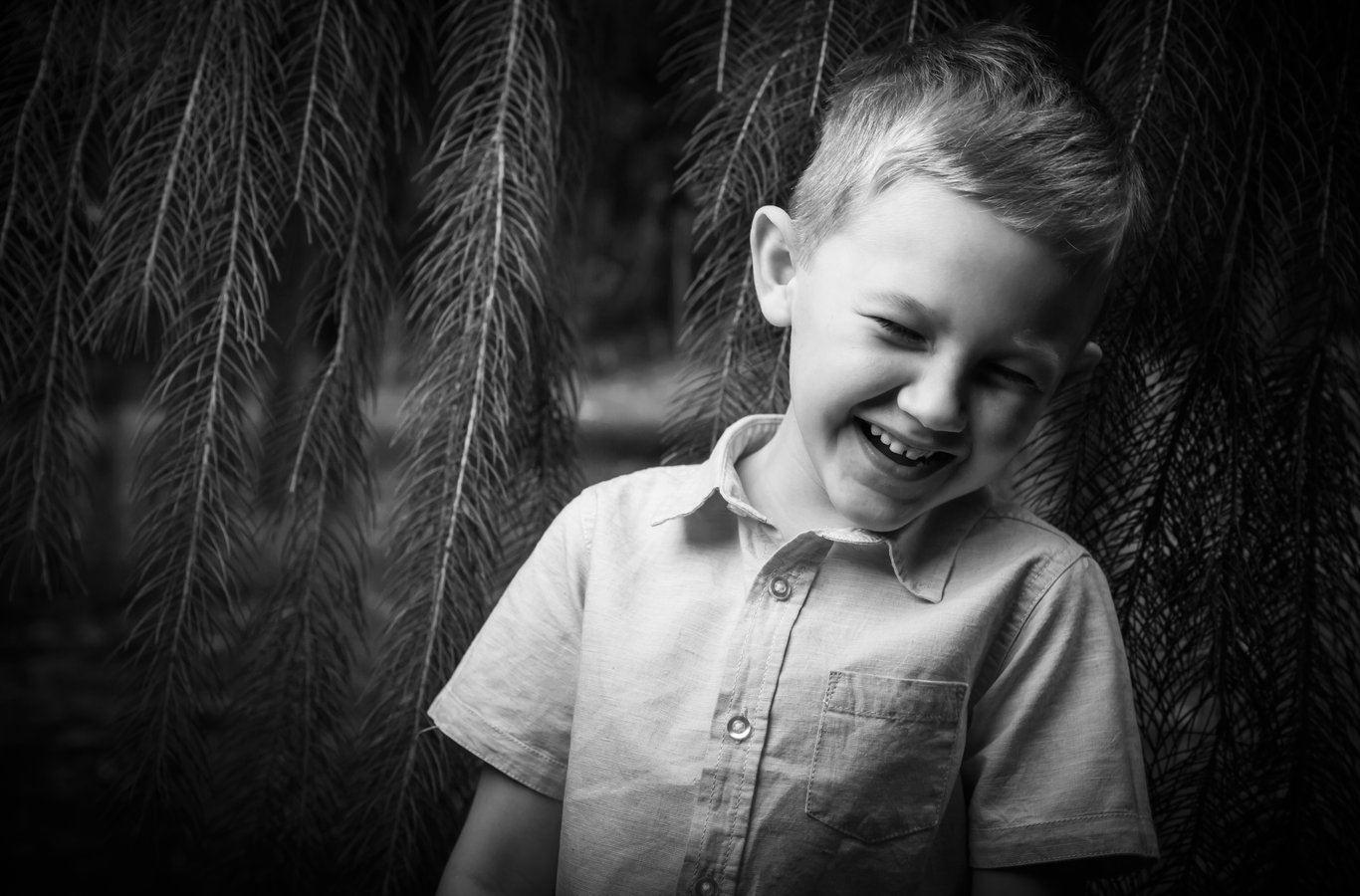
Prepare a toddler for a portrait session by working with their body clock, not against it: book a time that falls near a nap or a meal rather than in the middle of one, pack snacks and a spare outfit, and let go of any expectation that they'll smile on command. A toddler who's fed, rested and unhurried will give you far more genuine moments than one who's been coached to say cheese.
Time it around their routine, not the clock
The single biggest factor in how a toddler portrait session goes isn't the light or the location, it's whether your child is fed, rested and not fighting a nap. When we book your session, we'll talk through your toddler's day and choose sunrise or sunset based on when they're naturally at their best, not because one or the other photographs more beautifully. A toddler who wakes happy in the morning does better at sunrise. One who rallies in the late afternoon does better at sunset. There's no wrong answer here, only the one that suits your child.
If your toddler still naps, build the session around that rather than around it. A short session straight after a good sleep beats a long one squeezed in before an overdue one, and a toddler who's overtired rarely settles enough for the kind of natural moments we're after. If routines have been unsettled lately, by teething, a cold, or a new sibling, mention it when we're planning, because it changes how we time things.
It also helps to think about the week around the session, not just the hour. A toddler who's had a string of disrupted nights or a big change at home, starting kinder, a house move, a new carer, often needs a little more settling time on the day itself. None of that is a reason to cancel or worry. It just means we build in a bit more patience before we start, so your child arrives at the session already feeling steady rather than being asked to find steady on the spot.
Pack light: snacks, a spare outfit, and not much else
You don't need a bag of props or a change of three outfits. Bring what actually helps: something to eat that they already like, water, a comfort item if they have one, and a spare outfit in case of a spill, a muddy puddle, or a nappy change. If you're deciding what everyone will wear, our guide on what to wear for family portraits covers colours and layers that work well together without looking matched.
Beyond that, resist the urge to bring entertainment designed to get a reaction, bubbles, noisy toys, phones held up behind the camera. Toddlers respond to real interaction with the people they love far more than to a distraction held up by a stranger, and those genuine reactions are what make the portraits worth having.
Let your toddler play, not pose
I direct sessions rather than posing them. With a toddler, that means almost no sitting still and looking at a lens, and a lot of walking, being chased, being lifted, being read to, or simply held. The best portraits of small children come from what they're already doing when they're comfortable, not from what they've been told to do.
There's no pressure on your toddler to perform, and there's no pressure on you to manage their mood for the camera. If they're clingy, we work with that. If they want to be carried the whole time, we work with that too. A toddler who's allowed to be a toddler photographs far better than one who's being coaxed into cooperation.
When siblings of quite different ages are involved
Families rarely have just one child in the frame, and a toddler's needs are often the opposite of an older sibling's. A ten year old can hold a pose for a moment and understand what's being asked; a two year old can't and shouldn't be expected to. The session is built around whichever child needs the most flexibility, which is usually the youngest, while still leaving room for older children to bring their own personality to the portraits. If you've got a teenager in the mix as well, our guide on portraits with teenagers has more on getting a wider age range to feel natural together.
In practice this means shorter bursts of attention with the toddler woven between moments with the rest of the family, rather than one long block where every child is expected to hold focus at once.
A toddler who's allowed to be a toddler photographs far better than one who's being coaxed into cooperation.
If it's an outdoor session, plan for the weather too
Sessions timed around your child's routine sometimes fall on a day the weather doesn't cooperate. That's a separate consideration to the toddler side of things, and one we plan for regardless of your child's age. If you're wondering what happens to your booking if the forecast turns, our guide on what happens if it rains on your portrait session walks through how that's handled.
What to expect on the day
Arrive with enough time that your toddler isn't rushed straight from the car into the session. A few minutes to look around, have a snack, and get used to being somewhere new makes a real difference to how settled they are once we begin. From there, the session follows your child's lead: short stretches of activity, breaks when needed, and no expectation that every moment will look camera-ready.
The goal isn't a run of matching smiles. It's a set of portraits that actually look like your family at this particular age and stage, including the parts that are a little chaotic. Those are usually the ones you'll want on the wall in ten years, not the posed ones.
Every portrait begins with a conversation at the Belgrave gallery.