Stories and guides · Artwork and display
Round metal prints: a different shape for portraits
5 July 2026
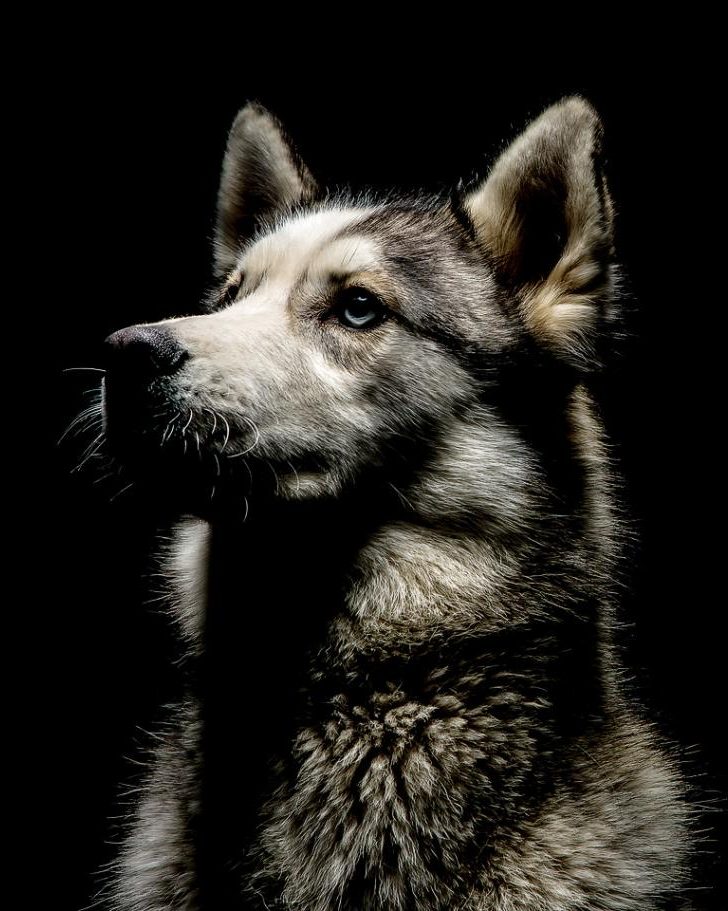
Round metal prints are a circular alternative to the standard rectangle, available in two sizes, 12 inches and 20 inches across. The metal surface has a smooth, almost luminous finish that paper or canvas can't quite match, and because there's no frame or mat, the round shape reads as one clean object on the wall rather than a rectangle in a border. They work particularly well for clusters, hallways, children's portraits and pet portraits, anywhere a run of matching rectangles would feel a little too formal.
Why a circle instead of a rectangle
Most walls in most houses are already full of rectangles. Windows, doors, television screens, other framed pieces, all right angles. A round print breaks that pattern without shouting about it. It sits on the wall the way a clock or a mirror does, familiar enough not to look like a stunt, different enough to catch the eye before the content of the portrait does.
That makes it a good choice when the portrait itself is playful or candid rather than formal. A posed family portrait in matching outfits usually wants the structure of a frame around it. A portrait of a toddler mid-laugh, or a dog looking straight down the lens, often looks more natural inside a circle. The shape does some of the emotional work before you've even taken in the image.
A circle doesn't need company to look intentional. A rectangle on its own can look like it's waiting for the rest of a set. A round print can hold a wall by itself.
Where round metal prints work best
A few situations where the round shape earns its place over a standard rectangle:
- Clusters. Several round prints of different sizes, grouped together, create movement across a wall without needing to be perfectly aligned. The eye reads them as a constellation rather than a grid, which takes the pressure off getting every measurement exact.
- Hallways. A hallway is usually narrow, walked through rather than sat in front of, and often has awkward gaps between doorways. A round print, especially the 12 inch size, fits those gaps in a way a large rectangle can't. If you're planning a full hallway display, our guide to displaying portraits in a hallway covers spacing and sequencing in more depth.
- Children's portraits. Kids move, and the best portraits of them tend to catch a moment rather than a pose. A round print suits that informality, and a small cluster of round prints tracking a child's growth over a few years works particularly well near a bedroom or a stairwell.
- Pet portraits. A dog or cat rarely holds still for a formal composition, and the resulting portraits are usually candid rather than posed. That candour sits comfortably inside a circle. We go into this in more detail in our guide to pet portraits, including where owners tend to display the finished piece.
Choosing between 12 inch and 20 inch
The two sizes do different jobs. The 12 inch round suits a cluster, a narrow hallway wall, or a single accent piece near a doorway, somewhere you want a portrait present without it dominating the space. It's also the easier size to work into an existing display without rearranging everything else on the wall.
The 20 inch round is a statement piece on its own. It wants some breathing room around it, a stretch of wall with nothing else competing for attention, and it suits a single strong portrait rather than a grouping. Above a mantle, at the top of a stairwell, or on a landing where you pass it daily, the larger size holds its own without needing other pieces around it.
If you're not sure which fits your space, bring a rough measurement of the wall to your design appointment. Seeing the print sized against a printed template on the actual wall makes the decision far easier than picturing it from a screen.
How metal compares to canvas or framed prints
Canvas, wrapped or framed, has texture, and it reads as a more traditional piece of wall art. Metal is smooth and glossy by comparison, with a finish that catches light differently depending on where you stand. Neither is better, they suit different moods and different walls. If you're deciding between a canvas piece and a metal print for the same portrait, our guide comparing wrapped and framed canvas sets out how those two canvas options differ from each other, which is useful context before adding a round metal print into the mix.
One practical difference: canvas pieces, wrapped or framed, are rectangular and come in a wide range of sizes from 11x14 inches up. Round metal prints are only available in the two sizes, 12 inch and 20 inch, so they're best thought of as an accent to a display rather than the whole display on their own, unless you're building a cluster entirely from rounds.
Building a cluster around a round print
A cluster doesn't need every piece to be the same shape or size. A common approach is one 20 inch round as the anchor, with two or three 12 inch rounds and a rectangular piece or two arranged around it. The round shapes give the eye somewhere to land, and the rectangles fill the gaps between them.
Bring your wall measurements and a sense of which portraits you want featured to your design appointment, and we'll work through the arrangement together before anything is printed. Getting the mix of shapes and sizes right on paper first, rather than guessing on the wall afterwards, is most of the work.
Every portrait begins with a conversation at the Belgrave gallery.