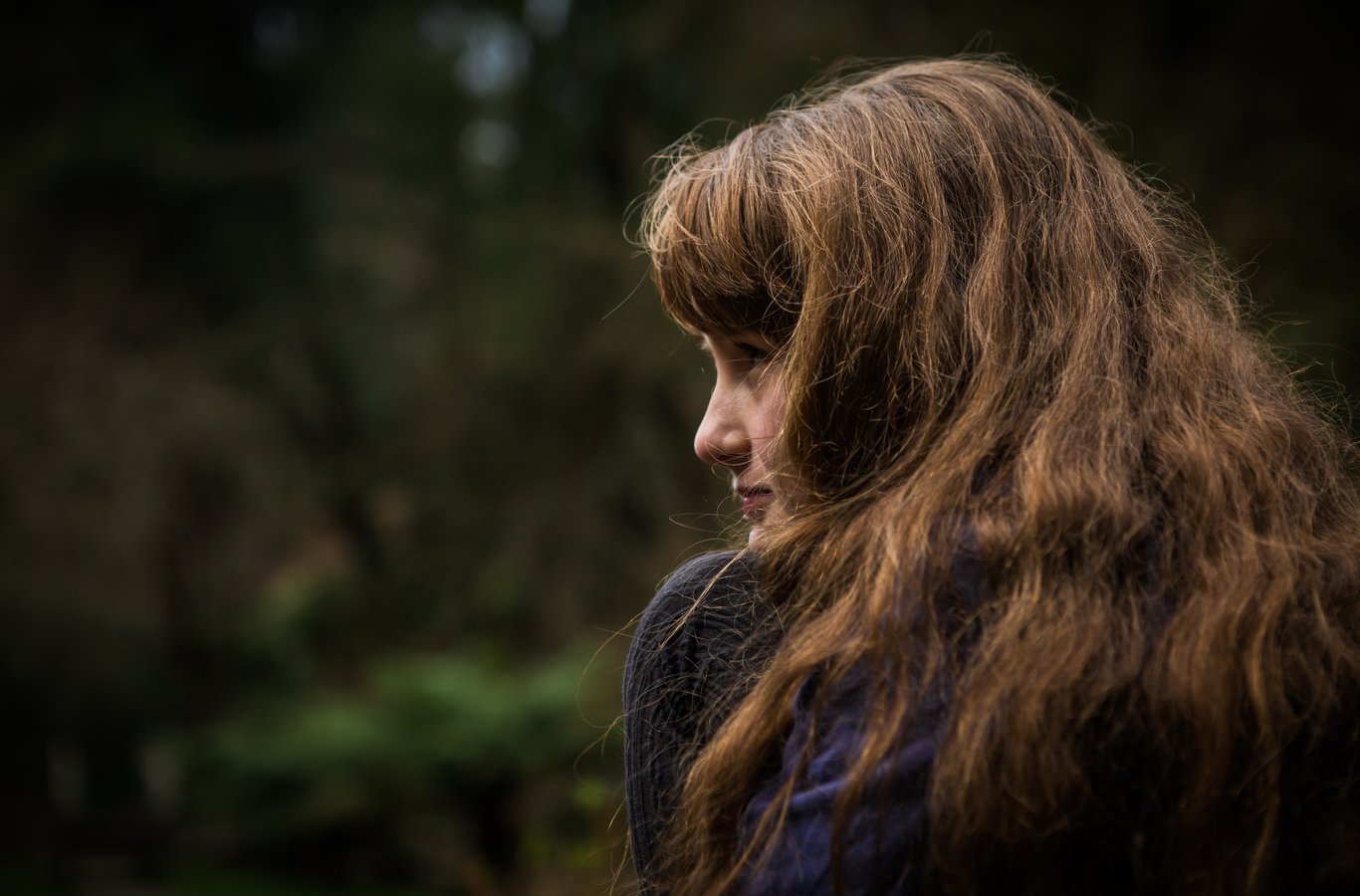
The family moments most worth photographing are the ones you almost don't notice: the way your daughter leans her head against your arm on the couch, the two of you walking along the sand with your shoes in your hand, the quiet minute before the kids are dressed and the day gets away from you. These aren't occasions. They're relationships, caught in the middle of being lived. A good family portrait session is built to find that and hold onto it, not to stage a version of your family that looks nothing like the one you actually have.
Ordinary is not a lesser word here
There's a habit of thinking a portrait needs an event behind it: a birthday, a milestone, a big family gathering with everyone in matching outfits. None of that is wrong, but it isn't the point either. What makes a portrait worth displaying on your wall in ten years isn't the occasion it marks, it's whether it looks like your family. The lean of a child into a parent's side, the particular way your two kids stand next to each other without being told to, the walk you take together most weekends, these are the things that are actually yours. We go into more depth on what separates a meaningful portrait from a merely nice one in what makes a portrait meaningful, but the short version is this: relationship first, everything else second.
What an everyday moment actually looks like
If you're trying to picture what we mean by everyday, here's the kind of thing that photographs beautifully and needs nothing arranged:
- A child leaning into a parent, without being asked to
- Bare feet on sand, grass, or the hallway floorboards
- A walk you already take together, along the beach or through the forest
- Siblings side by side in whatever way they naturally stand
- The quiet in-between moments before or after the "main event" of a day
- A hand held, a head resting, a laugh at something only your family finds funny
None of this needs a script. It needs a session built around giving these moments room to happen in front of the camera, rather than around asking everyone to smile at the same time.
Sessions built around being together, not performing
This is where the difference between a portrait session and a photo shoot really shows. Arek directs a session, he doesn't pose it. That means planning around your children's age and their routine rather than around a shot list: timing the session for sunrise or sunset when the light is soft and the kids aren't yet worn out, choosing a location that lets everyone move and be themselves, whether that's the studio, a favourite spot in the Dandenong Ranges, or somewhere closer to home. The job on the day is to notice what's already true about how your family is together and to be ready when it happens, not to manufacture something that wasn't there.
That's a deliberate choice about what the whole experience is for. It's also why the consultation before your session matters so much. You'll talk through your family, your children's ages and personalities, and what a normal day together actually looks like, so the session itself can be built around that rather than around a generic idea of what a family portrait should be.
Someone is usually missing from these moments
If you're the one who usually holds the phone, you already know the problem: you're rarely in the photo. The parent behind the camera on an ordinary Tuesday almost never ends up in the picture, which means years from now the record of your family has a gap exactly where you should be. It's worth reading mums get in the portrait if that sounds familiar, because a session is one of the few chances to be photographed as part of the family rather than as the person documenting it.
Why these are the pieces worth keeping
The moments that mean the most are rarely the ones you planned to remember. They're the ones that were already happening.
A canvas on the wall or a print in an album isn't there to mark an occasion either, it's there so you keep seeing what your family actually looked like at this age, in this year, leaning on each other the way they do right now. That's a different kind of value to a phone full of photos you'll never print. We go into why the physical piece matters more than the file in why printed portraits matter, but the short answer is that a printed, displayed piece gets looked at, and a moment you keep looking at is a moment you keep.
What happens at your session
The experience runs across three meetings. First, a consultation at the Belgrave gallery, where you see the artwork in person, see pricing, and plan the session around your family. Second, the session itself, timed for the light and your children's routine, at the studio or on location. Third, a viewing and design appointment within a week, where you choose your favourites and design the finished pieces together. Finished artwork is artisan printed and hand-finished, ready for you to collect within three weeks of that design appointment.
Most families invest between $1,500 and $3,000 on the pieces they choose, with payment plans available, and pricing is shown openly at the consultation rather than quoted in advance. If you want a head start on what to wear, there's a free family styling guide on the home page.
Every portrait begins with a conversation at the Belgrave gallery.